The Institutional Memory Crisis: Why Donor Retention Drops When a Development Director Leaves
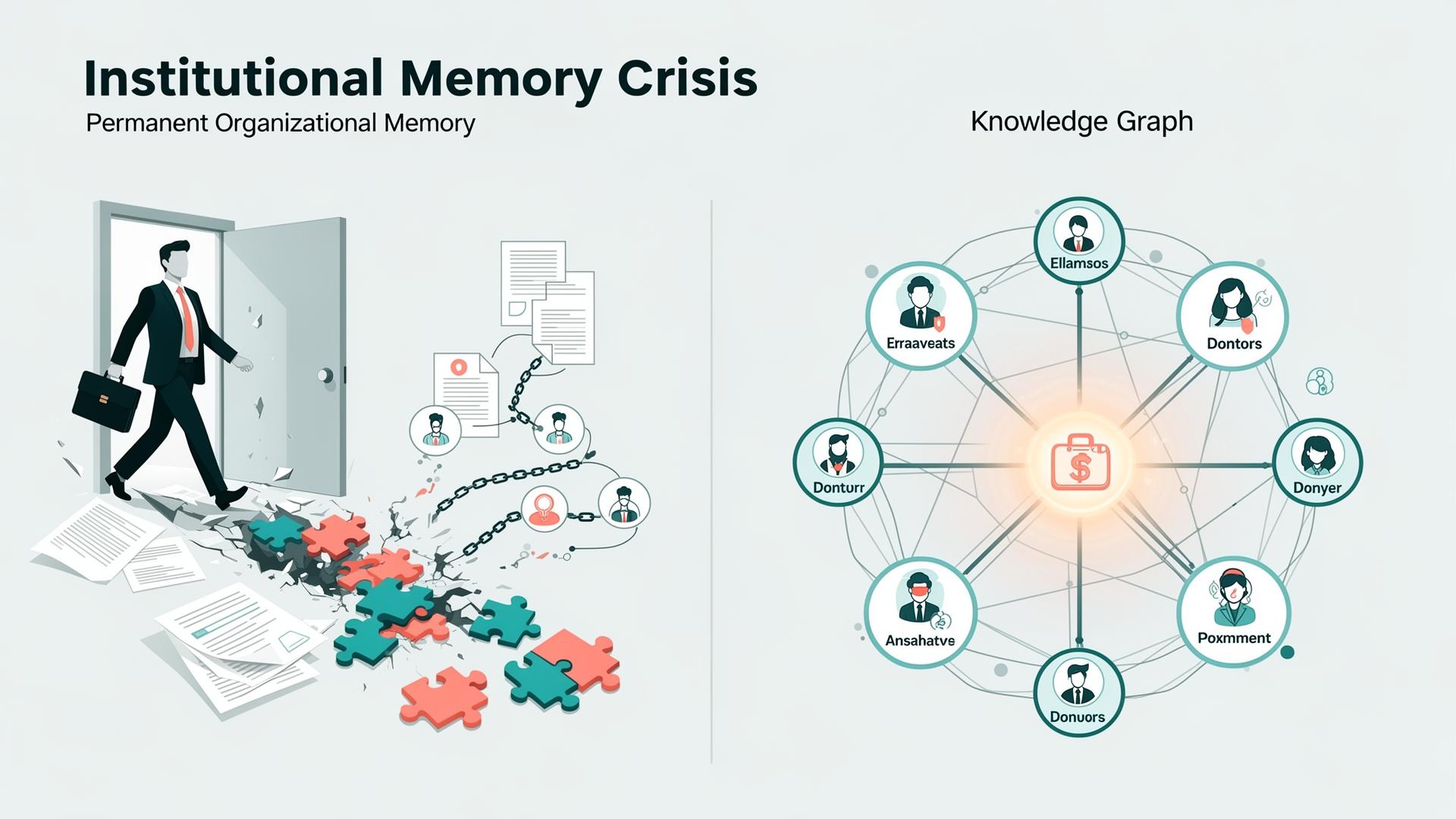
The departure of a development director can often feel like a seismic shift for nonprofit organizations. Along with the loss of a key leader comes the erosion of institutional memory - those critical relationships, strategies, and historical insights that drive donor engagement and retention. Unfortunately, this loss can lead to significant drops in donor retention rates and cause ripple effects across your fundraising efforts. The good news? It doesn't have to be this way.
Why Donor Retention Suffers After Leadership Turnover
When a development director exits, there's often a knowledge gap left behind. The intricate relationships they've built with donors, their understanding of what motivates giving, and the nuances of how to craft personalized appeal strategies often leave with them. Without a system to capture and retain this institutional knowledge, organizations must start over, losing precious time and resources reestablishing connections and re-learning donor preferences.
Factors contributing to this donor retention drop include:
- Fragmented Information: Donor data may be stored across spreadsheets, email threads, or notebooks, making it hard for incoming staff to piece together a full picture.
- Lack of Process Documentation: Without documented workflows or strategies, new team members struggle to replicate successful fundraising tactics.
- Personalized Relationships Lost: Major donors, in particular, value relationships. A sudden change in personnel without a thoughtful handoff can make them feel unappreciated or forgotten.
- Unclear Communications History: Without a record of previous interactions, follow-up emails or calls can feel generic, reducing the likelihood of future donations.
The Solution? Build a "Knowledge Graph" That Stays With Your Organization
A knowledge graph is a central system of interlinked donor data, past strategies, and organizational practices designed to preserve institutional memory. We go deeper on building institutional memory that stays when people leave. This tool ensures that donor relationships and valuable insights live on within the organization, even as team members transition. It's not just a database - it's a living, breathing resource that can be leveraged to enhance donor engagement and streamline fundraising efforts.
How to Build Your Own Knowledge Graph
1. Centralize Your Donor Data
Invest in a donor management system that allows you to collect, store, and manage donor information in one secure, accessible location. Include details like donation history, communication preferences, event attendance, and notes on personal interests.
2. Document Key Processes
Create a clear manual for your fundraising strategies. Include outlines for crafting appeals, handling donor follow-ups, and executing events. This ensures new staff can continue using proven tactics without guesswork.
3. Log Interactions and Preferences
Encourage your team to log every donor interaction. From meeting notes to email exchanges, maintaining a robust activity history allows new development staff to pick up where their predecessors left off.
4. Implement Automation
Use automated tools for donor communication and follow-ups. Not only does this save time, but it also ensures consistency in outreach, even during staff turnover.
5. Provide Training for Your Team
Educate your development team on how to use the knowledge graph effectively. Ensure everyone feels empowered to contribute so the graph remains an up-to-date and valuable asset.
6. Leverage Analytics for Insights
A knowledge graph becomes invaluable when paired with analytics tools. Use these insights to identify trends, optimize campaigns, and continually refine your strategies.
Securing Your Organization's Future
By building a robust knowledge graph, nonprofit organizations can safeguard institutional memory, ensure smooth staff transitions, and most importantly, retain donors through periods of leadership change. Donor retention is about trust, continuity, and showing supporters that they're valued - all of which require the right tools and frameworks to sustain.
The development director may change, but the relationships and successes they've built for your organization don't have to. With a knowledge graph in place, your nonprofit will move forward stronger, more efficient, and better prepared for long-term growth.
Want more insights like this? Browse all articles or get in touch with our team.